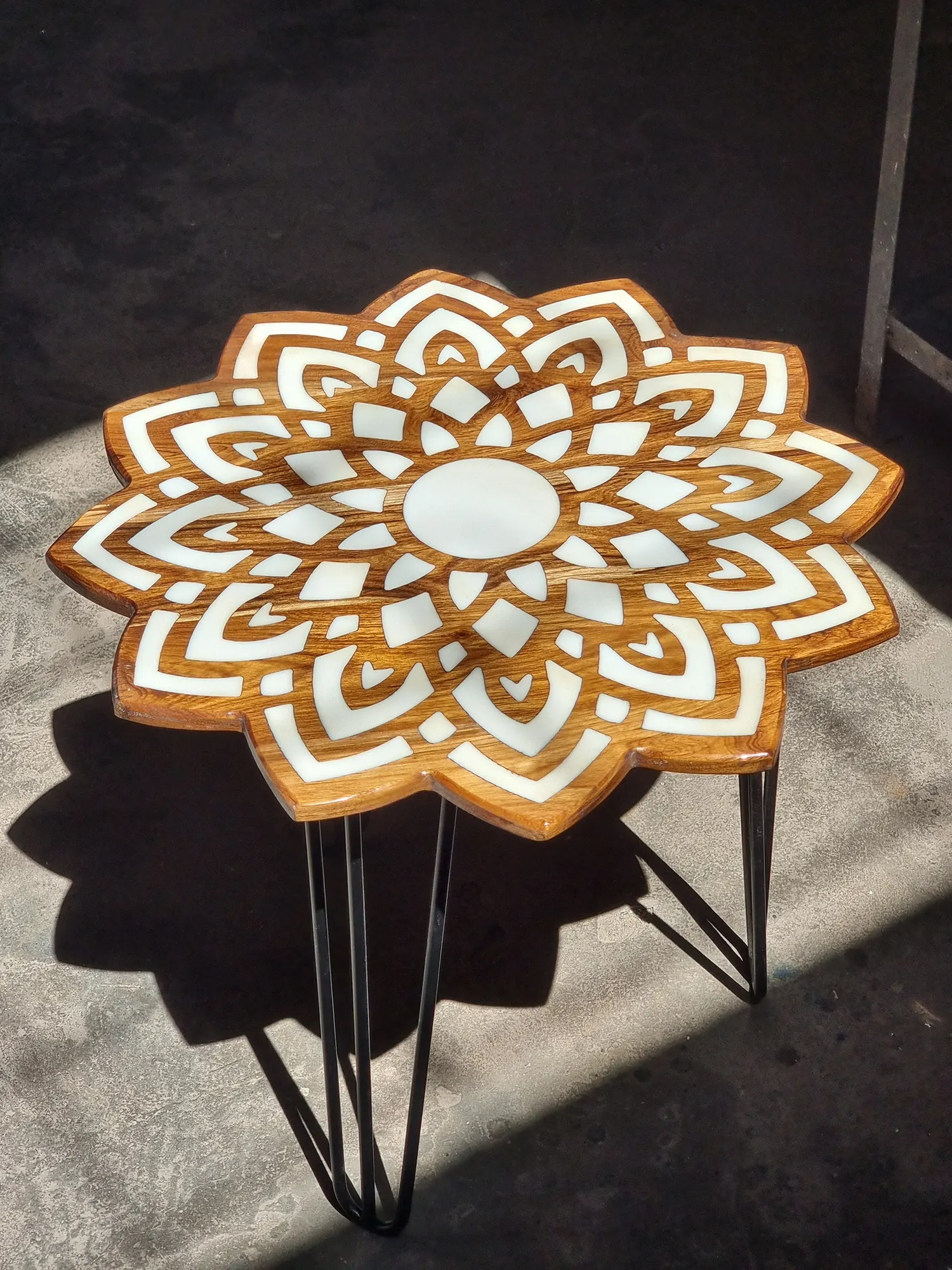
Timora Living was born from the heartfelt vision of its founder, who dreamt of transforming ordinary spaces into soulful expressions of beauty. With an innate love for art and a deep connection to nature, he envisioned designs that could capture the essence of flowing oceans, serene landscapes, and natural textures—preserving their elegance in timeless resin. He believed that décor should do more than just serve a purpose; they should tell a story, evoke emotion, and elevate the everyday.
Driven by this passion, he began experimenting with resin as a medium to blend art, functionality, and nature into one seamless form. What started as a creative pursuit soon blossomed into Timora Living—a brand that stands for craftsmanship, creativity, and connection. Today, every piece reflects his original dream: to bring the outdoors in, to infuse spaces with warmth and wonder, and to help people build environments that are as unique and inspiring as they are.
The Story of Resin Décor in India
Resin décor in India is a blend of traditional craftsmanship and modern design, evolving from natural materials to synthetic innovations. Here’s how resin décor became popular in India and its current trends.
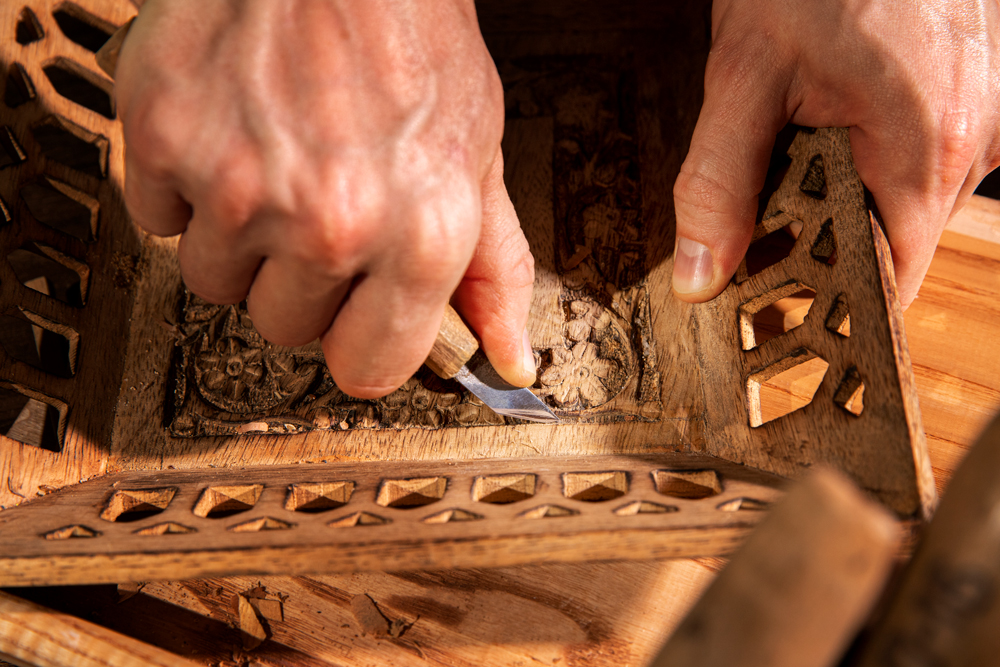
Traditional Roots: Natural Resins & Handicrafts
Before synthetic resin, Indian artisans used natural resins like:
Lac (Shellac): Used to coat and polish wooden décor, giving a glossy finish (especially in Sheesham and Teak décor).
Dammar & Rosin: Mixed with oils to create natural varnishes for durability.
Gum-based Adhesives: Used in joinery for stools, chairs, and decorative items.
Regional Crafts:
Kashmir’s Walnut Wood Décor– Often polished with natural resins.
Kerala’s Rosewood & Teak – Traditionally finished with natural resins for weather resistance.
Colonial & Post-Independence Shift to Synthetic Resins
British Influence: Introduced synthetic varnishes and industrial resins for mass-produced décor.
1960s–1980s: Polyester and epoxy resins gained popularity in urban décor, especially for tabletops and molded chairs.
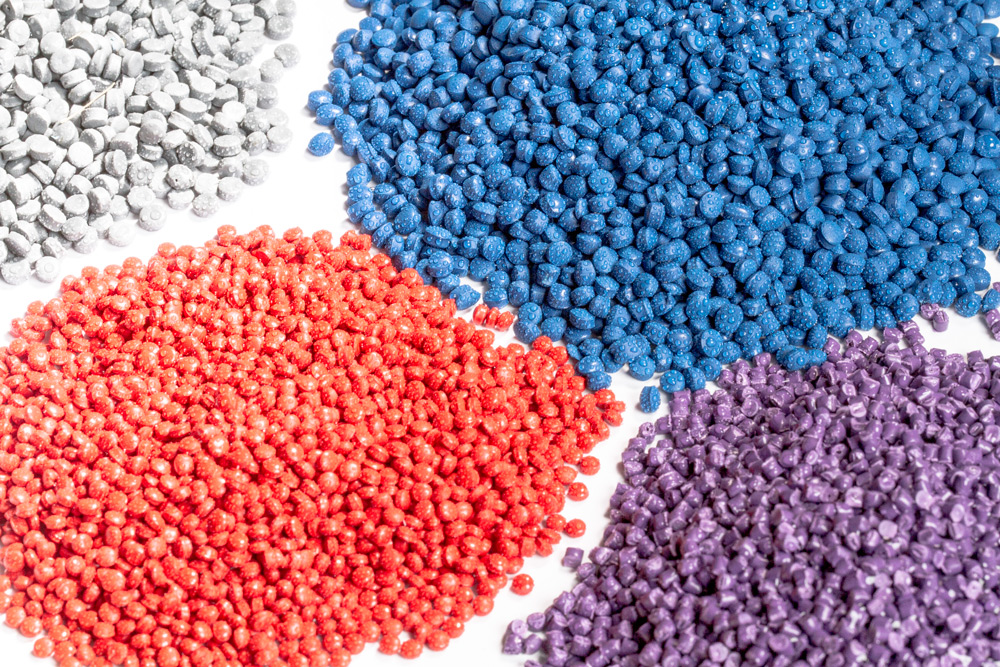
Plastic Resin (Polypropylene): Cheap, lightweight chairs (“Moulded Plastic Chairs“) became common in schools, offices, and homes.
The Modern Resin Décor Boom (2000s–Present)
A. Synthetic Resin Décor
Wicker-Look Resin (HDPE): Popular for outdoor décor (balcony sets, garden chairs) because it’s weatherproof, termite-resistant, and low-maintenance.
Acrylic Resin Tables & Chairs: Used in cafes and luxury homes for a transparent, glossy look.
Recycled Plastic Resin: Eco-friendly brands now make décor from recycled PET bottles.
B. Artisanal & High-End Resin Décor
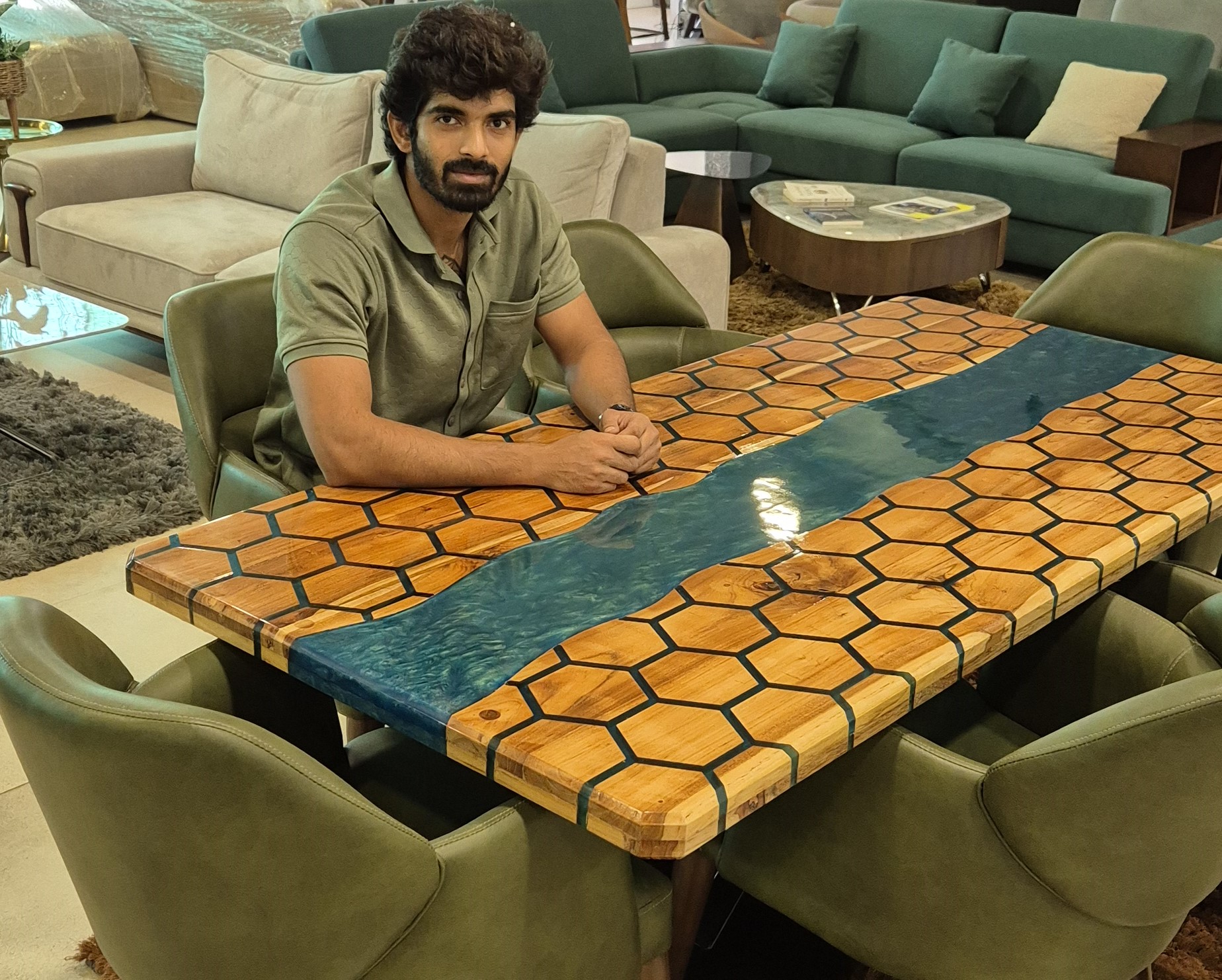
Epoxy Resin River Tables: A luxury trend where wood and colored resin combine to create stunning tables.
Resin + Wood Fusion: Modern designers mix resin with teak, mango wood, or bamboo for contemporary aesthetics.
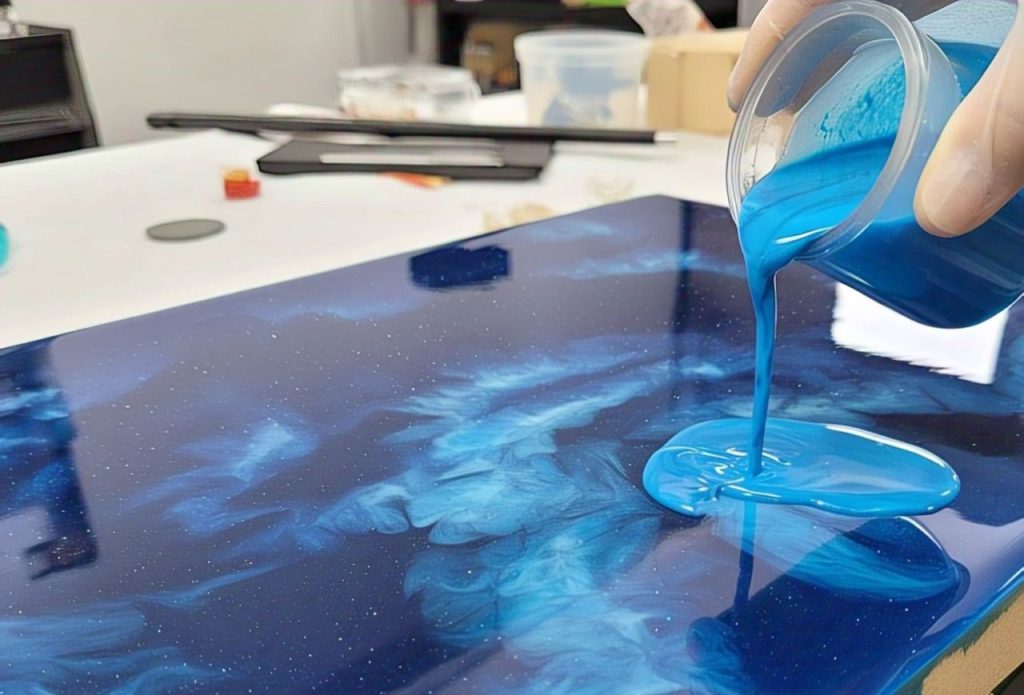
Customized Resin Art Décor: Hand-poured resin designs in tabletops, bar counters, and decorative pieces.
From traditional lacquer finishes to modern epoxy river tables, resin décor in India has evolved dramatically. While synthetic resin dominates for affordability and durability, a return to eco-friendly and artisanal resin Décor is shaping the future.